Generic Funnels Are a Tax on Paid Growth
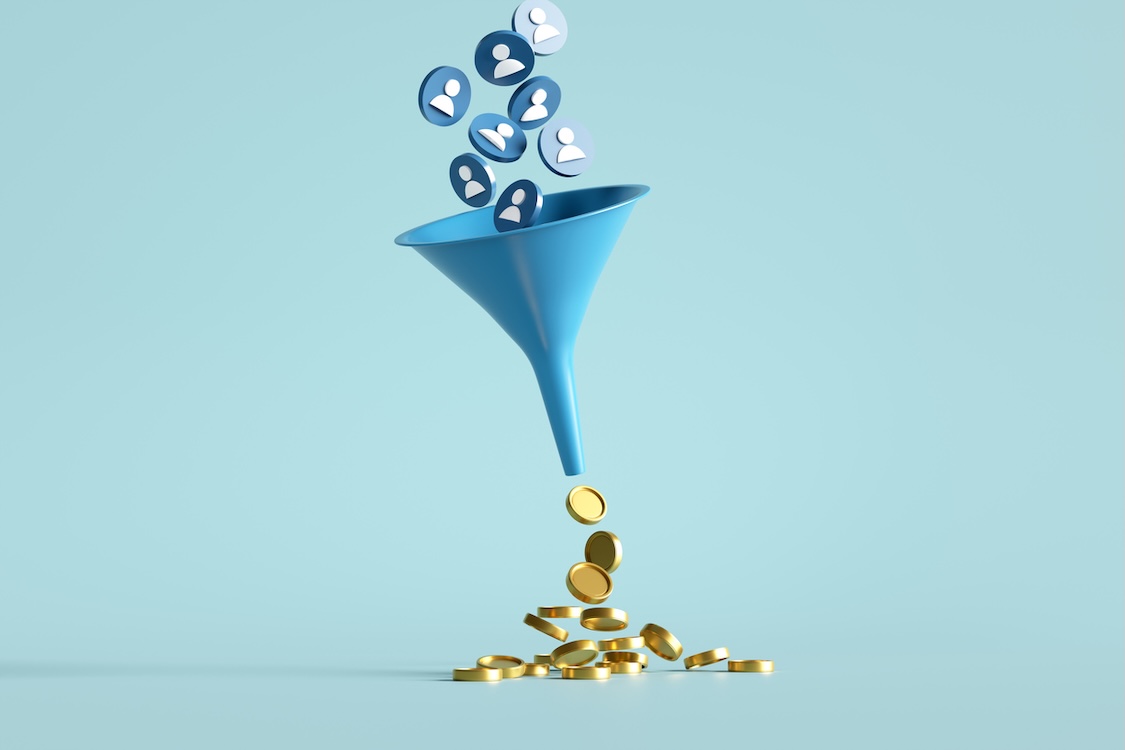
Every paid channel tells a different story.
Then most ecommerce sites interrupt that story with the exact same landing experience.
That is the tax.
The tax rarely appears as one dramatic failure. It shows up as slightly worse RPU, slightly weaker conversion, slightly higher CAC, and slightly more “maybe the creative is fatigued” conversations than anyone deserves.
A TikTok user clicks because a short-form video created curiosity. A branded search visitor clicks because intent already exists. A Meta retargeting shopper clicks because they are circling a decision. An affiliate visitor clicks because someone else already transferred trust. Those are not the same person in the same mood. Treating them that way is not operational efficiency. It is just expensive pretending.
ClickMint's core positioning is built against this exact problem: brands spend to improve targeting, creative, and acquisition, then send every visitor into the same on-site experience. The site frames channel-adapted funnels as a way to make existing paid traffic more efficient. The phrase “your paid traffic deserves its own funnel” is not a tagline. It is a diagnosis.
The market is not getting cheaper. IAB reports that U.S. digital advertising reached nearly $300 billion in 2025, with social media ad revenue alone hitting $117.7 billion and growing 32.6% year over year. Money is flooding into acquisition. The post-click experience cannot keep acting like it is 2017 with better fonts.
Generic funnels create waste in a few predictable ways.
They break message continuity. The ad promises one thing. The page says something broader, slower, or totally different.
They apply the wrong pressure. Cold visitors need context before commitment. Warm visitors need confidence and closure. Search visitors need confirmation. Affiliate visitors need continuity from the recommendation that got them there.
They hide channel performance inside blended averages. The site looks fine overall while one source is quietly bleeding RPU like a leaky cooler in a Malibu parking lot.
They also make media teams overcompensate. When the funnel under-monetizes traffic, the team blames creative fatigue, targeting, bid strategy, or platform volatility. Sometimes that is true. Sometimes the ad did its job and the page fumbled the handoff.
The better model is channel-adapted architecture.
That does not mean building a chaotic maze of one-off pages. It means designing a managed layer where acquisition source changes the first screen, proof sequence, product path, offer context, and measurement logic.
Meta traffic should not be asked to behave like search traffic. TikTok traffic should not be sent straight into catalog mode before it understands the product. Affiliate traffic should not lose the creator’s story at landing. Search traffic should not have to rediscover what it already searched for.
A click is not a click.
A click is intent arriving with context.
Generic funnels erase that context. Channel-adapted funnels monetize it.
That is the difference between buying traffic and building growth.

Explore more articles